
Digital Reverie: All About Lily Chou-Chou
Shunji Iwai’s All About Lily Chou-Chou captures the weightless melancholy of early internet life. Released in 2001, just as digital communication was reshaping intimacy, it unfolds in a world where teenagers orbit one another through screens, fan forums, and shared devotion to a fictional pop star named Lily Chou-Chou. The film’s quiet brilliance lies in its ability to turn this digital distance into emotional texture. Iwai translates the alienation of online connection into something atmospheric and haunting, where sound, colour, and silence speak as loudly as dialogue.
At its centre are Yuichi and Hoshino, two students navigating the collapse of innocence. Their lives are bound by obsession, cruelty, and a fragile need to belong. Lily Chou-Chou’s music becomes their sanctuary, a space for projection and escape, her ethereal voice echoing through grainy chatroom text. The film’s online forum, “Lilyholic,” is both church and confessional. Users type under pseudonyms, confessing pain, loneliness, and faith in Lily’s voice as though it were divine. Iwai foresaw what digital culture would become: a place where anonymity nurtures both tenderness and brutality.
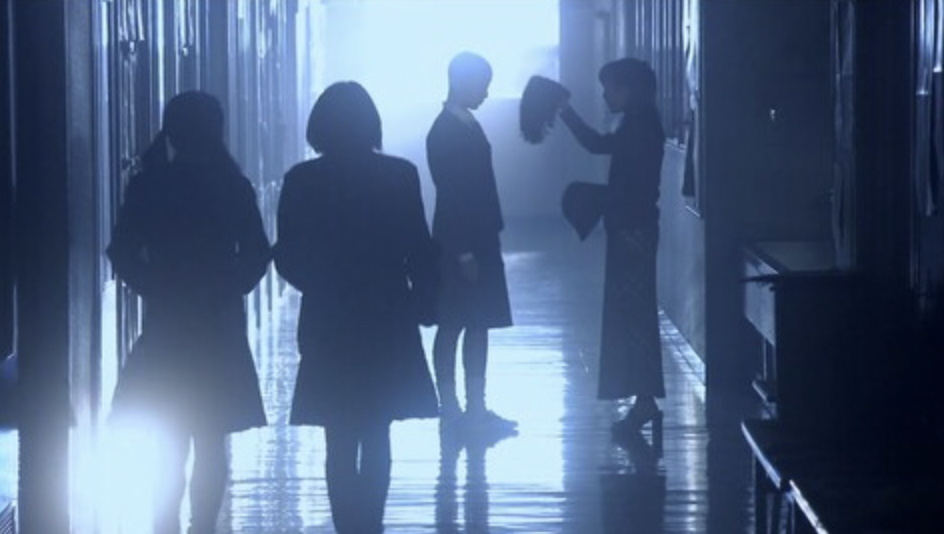
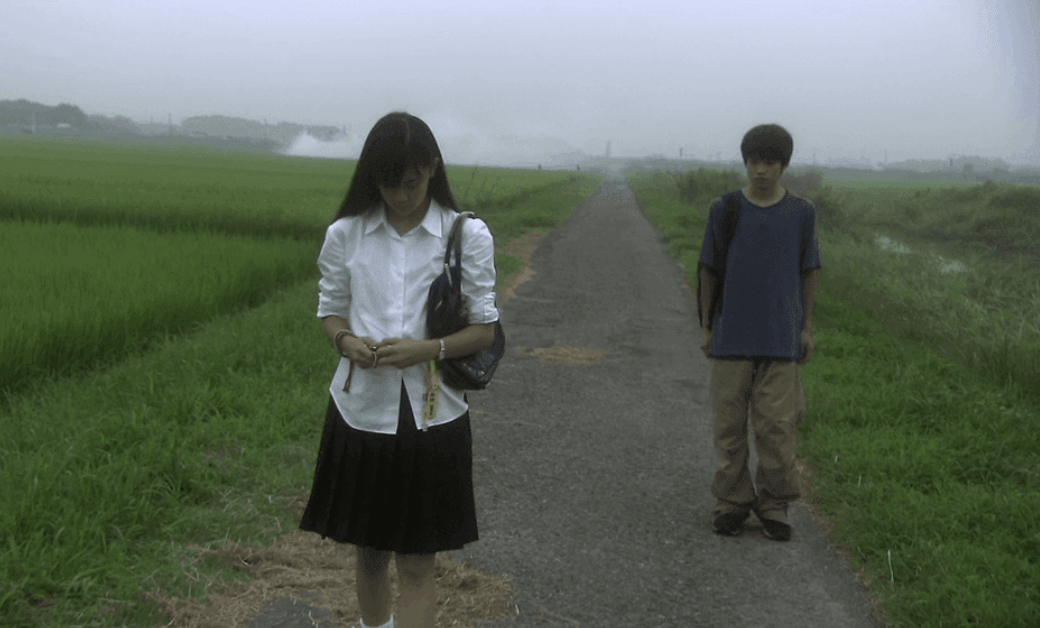
Visually, the film drifts between dream and disconnection. Iwai uses handheld DV footage, washed-out colour, and long silences to evoke the numbing beauty of adolescence. The graininess feels like memory, like footage already decaying. The camera hovers at a distance, watching moments of violence and fragility without judgement. This aesthetic of observation mirrors the detached gaze of the online world, where suffering can be witnessed without intervention. It is a vision of youth that feels suspended, neither cinematic fantasy nor documentary realism, but a digital in-between.
The presence of Lily Chou-Chou herself, never seen except through sound and imagination, deepens the film’s ambiguity. She is both idol and illusion, a symbol of escapism that unites and isolates her listeners. In many ways, she anticipates today’s virtual idols and online fandoms, where collective longing is channelled through a shared but unreal presence. The emotional language Iwai constructs around Lily feels eerily prophetic: a community built on music, pixels, and the ache of wanting to be understood.
Two decades later, All About Lily Chou-Chou feels more relevant than ever. Its portrayal of adolescence filtered through technology prefigures the world we now inhabit, where identity is constantly performed and connection is mediated through screens. Iwai’s sensitivity to sound, texture, and rhythm turns what could have been a cautionary tale into something tender and tragic. The film does not condemn its characters for seeking meaning in digital space; instead, it shows how that space amplifies the loneliness already within them.
In the end, Lily’s voice remains the film’s centre, distant, abstract, and pure. It drifts through static, echoing across a landscape of disconnection. Iwai’s vision suggests that beauty can survive even in distortion, that the digital can still hold emotion. All About Lily Chou-Chou is not just a film about youth or technology; it is a meditation on how we reach for transcendence in a world where every connection is already half-virtual.